
Glaucoma Treatment in Yamunanagar, Jagadhri & Haryana
Just like blood pressure, our eyes also have a certain “pressure” inside them. When this eye pressure — known as intraocular pressure (IOP) — rises too high, it can silently damage the optic nerve, the part of the eye responsible for sending images to the brain. This is what we call glaucoma, and if left untreated, it can lead to permanent vision loss.
At Bansal Eye Hospital, Dr. Bansal provides early glaucoma detection and treatment for patients across Yamunanagar, Jagadhri, and other parts of Haryana — helping protect your vision before serious damage occurs.
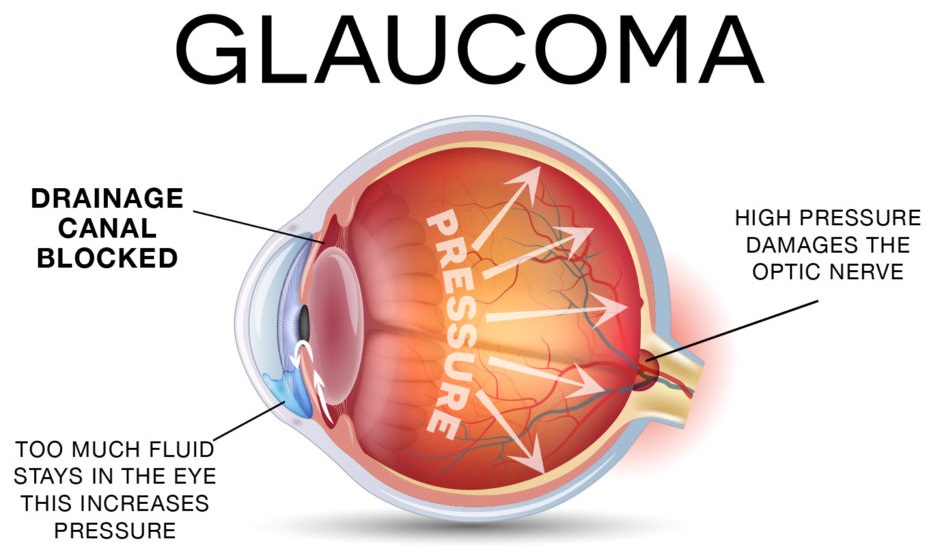
What is Glaucoma?
Glaucoma happens when a fluid inside the eye, called aqueous humor, doesn’t drain properly. This causes fluid to build up, increasing pressure inside the eye and gradually damaging the optic nerve.
Glaucoma usually affects both eyes, but not always equally — one eye may have more pressure and damage than the other. Since it often develops slowly and without early symptoms, many people don’t realize they have it until vision is already affected.
Types of Glaucoma
Open-Angle Glaucoma
This is the most common type of glaucoma. It develops gradually, without pain or early vision changes. Over time, patchy blind spots appear in your side (peripheral) vision — but most people don’t notice until significant damage has already occurred. This makes regular eye check-ups essential, even if your vision feels normal.
Acute Angle-Closure Glaucoma
This type comes on suddenly, as a medical emergency. It happens when the iris sits too close to the cornea, blocking proper fluid drainage. Watch for these warning signs:
- Intense headache
- Pain in the eyes or forehead
- Redness in the eye
- Seeing halos or rainbow-colored rings around lights
- Sudden blurry vision
- Nausea or vomiting
This is an eye emergency. If you or a family member in Yamunanagar, Jagadhri, or nearby areas of Haryana experience these symptoms, contact Bansal Eye Hospital immediately for urgent care.
How Do I Know If I Have Glaucoma?
Glaucoma is often called the “silent thief of sight” because it usually shows no early symptoms. By the time you notice blind spots or tunnel vision, permanent damage has often already occurred — this is why regular screening matters more than waiting for symptoms.
You should get screened for glaucoma:
- Every two years starting at age 65
- Starting at age 40 if you have diabetes, high blood pressure, or a family history of glaucoma
Dr. Bansal recommends regular comprehensive eye exams for patients across Yamunanagar and Jagadhri, especially those in these higher-risk groups.
How is Glaucoma Treated?
While the damage already caused by glaucoma cannot be reversed, proper treatment can stop it from getting worse and help protect your remaining vision.
Common treatment includes prescription eye drops that lower eye pressure — either by reducing fluid production in the eye or improving fluid drainage. Dr. Bansal will determine the right treatment plan based on the type and stage of glaucoma.
Frequently Asked Questions
Can glaucoma be cured completely?
No, but it can be controlled. While vision loss already caused by glaucoma cannot be reversed, timely treatment can prevent further damage and help protect your remaining eyesight.
Is glaucoma painful?
Open-angle glaucoma, the most common type, usually causes no pain in its early stages. Acute angle-closure glaucoma, however, can cause sudden and severe pain and requires emergency treatment.
At what age should I start glaucoma screening?
Routine glaucoma screening is recommended every two years starting at age 65. If you have diabetes, high blood pressure, or a family history of glaucoma, screening should begin at age 40.
What happens if glaucoma is left untreated?
Untreated glaucoma can lead to progressive vision loss, starting with peripheral (side) vision and eventually resulting in blindness if not managed properly.
Are eye drops enough to treat glaucoma?
For many patients, prescription eye drops effectively manage eye pressure. Depending on the severity and progression, Dr. Bansal may recommend additional treatment options during your consultation.
Do you treat glaucoma patients from Jagadhri and other parts of Haryana?
Yes, Bansal Eye Hospital in Jagadhri welcomes patients from Yamunanagar and across Haryana for glaucoma screening, diagnosis, and treatment.
Don’t Wait to Get Screened
Since glaucoma often shows no early warning signs, regular eye check-ups are the best way to protect your vision. Schedule a glaucoma screening or consultation with Dr. Bansal at Bansal Eye Hospital, Jagadhri, serving patients across Yamunanagar and Haryana.
Location: 461 Puran Vihar, Near Kohli Hospital, Near Agrasen Chowk, Jagadhri 135003, Haryana. Phone: +91-98124-27826